
Blockchain development
with the rigour the category demands.
Smart contracts, L2 rollups, wallet and custody integrations, tokenisation platforms, and the off-chain infrastructure that makes on-chain work usable. Audit-grade engineering, because on-chain mistakes are forever.
On-chain work where mistakes are permanent.
Blockchain is the only software category where 'we'll patch it in the next sprint' can cost millions. On-chain state is permanent. Contracts are adversarial targets from the moment they deploy. A single bug's blast radius extends to every downstream integration. The engineering discipline has to match.
We build smart contracts, L2 infrastructure, wallet integrations, tokenisation platforms, and the off-chain systems around them. Every contract we ship goes through internal review, external audit, and a formal release checklist. We've built for public L1s, private permissioned chains, and the hybrid architectures most enterprise programmes need.
Shipped under this discipline.
A sample of projects where this capability was load-bearing. We omit client names by default and share them under NDA when you want to dig into a specific engagement.
 Finance
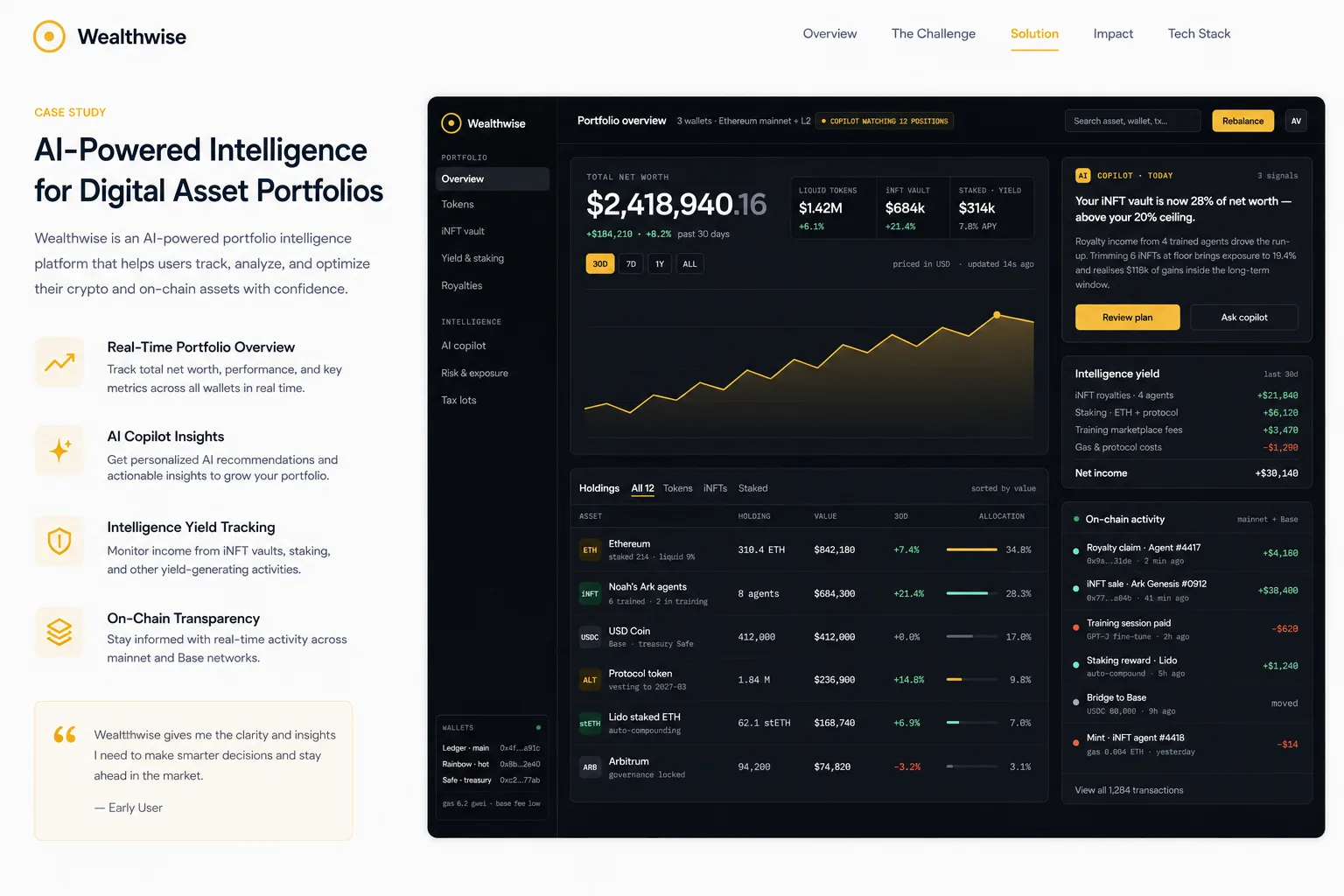
Wealthwise: Web3 platform.
A web app for on-chain finance, built with React, Django, Node.js, Express, PostgreSQL and Web3. Wallet connection, contract calls and transaction state are wrapped in an interface that non-crypto users can operate with confidence.
React · Django · Node.js · Express
 Finance
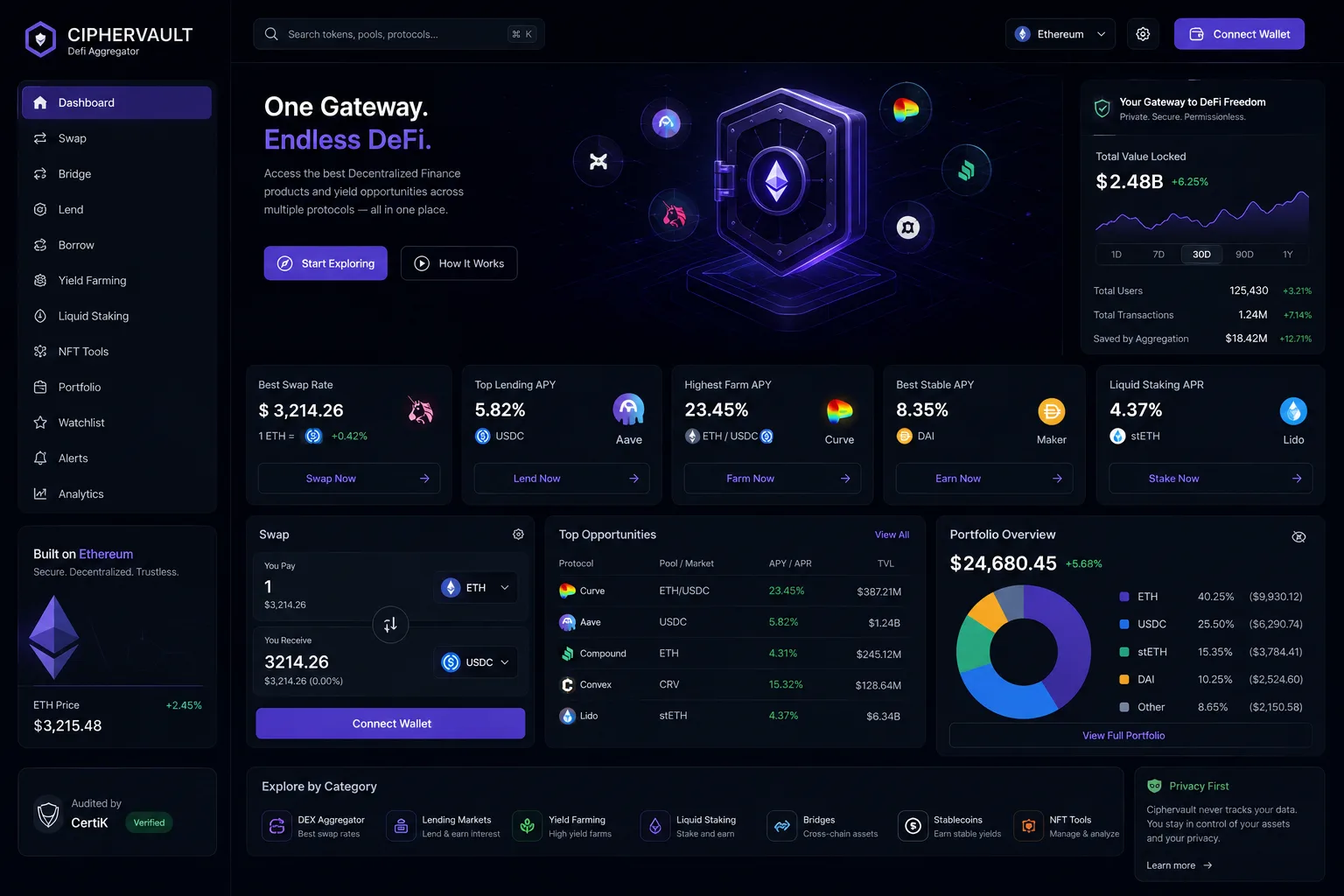
Ciphervault: Web3 platform.
An on-chain finance product built with React, Redux, Node.js, GraphQL, Web3 and EVM. Wallet connection, contract calls and transaction state sit behind an interface a non-crypto user can actually operate.
React · Redux · Node.js · GraphQL
- Finance
Stakeflow: Web3 platform.
A mobile app for on-chain finance, built with React Native, Redux, Node.js, Express, MongoDB and GraphQL. Wallet connection, contract calls and transaction state are wrapped in an interface that non-crypto users can operate with confidence.
React Native · Redux · Node.js · Express
 Finance
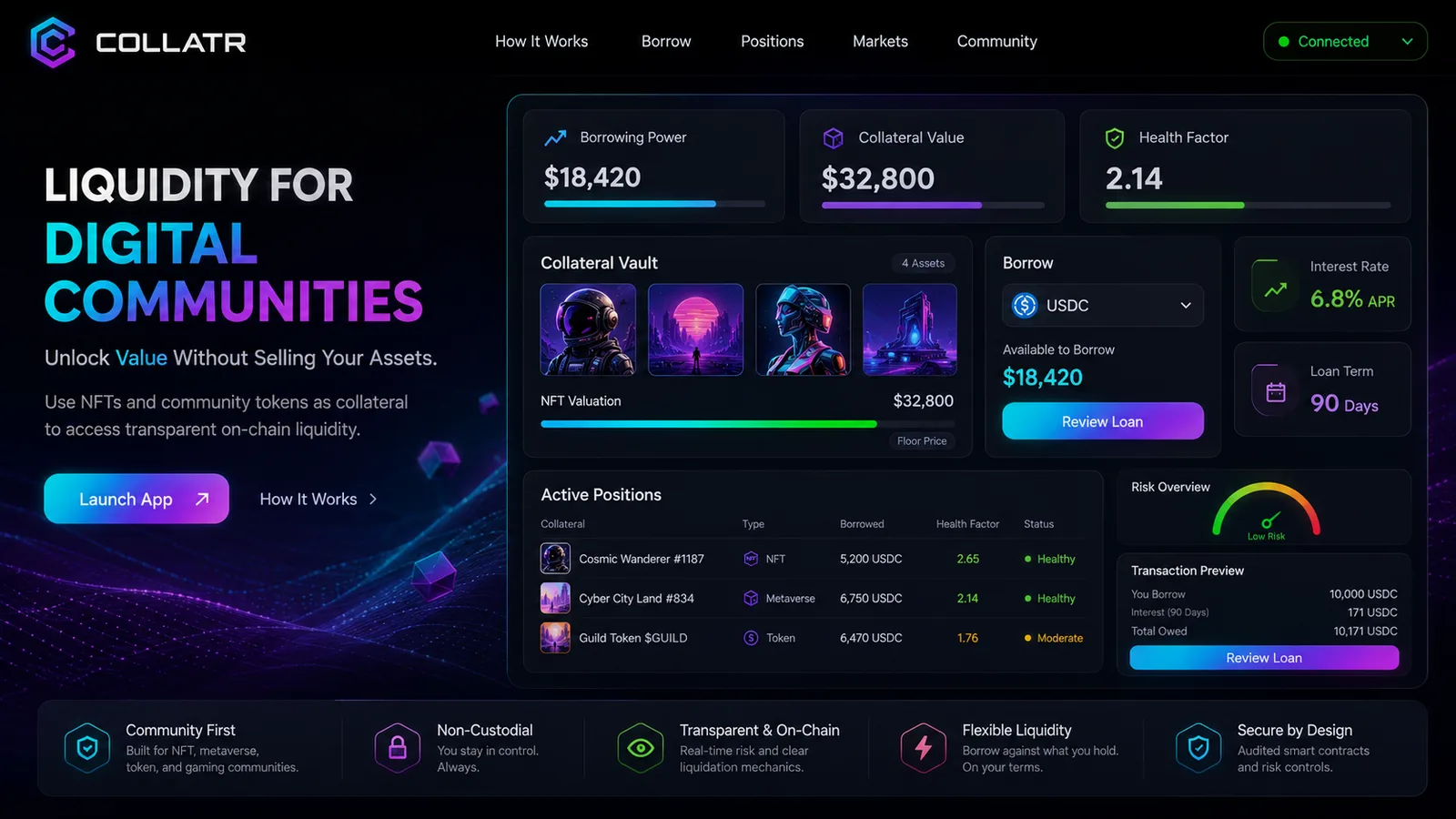
Collatr: Web3 platform.
React, Redux and Node.js over GraphQL, Web3 and EVM, built so on-chain finance stops reading like a developer tool. Signing, pending states and failures are explained in the interface rather than left to the wallet.
React · Redux · Node.js · GraphQL
 Finance
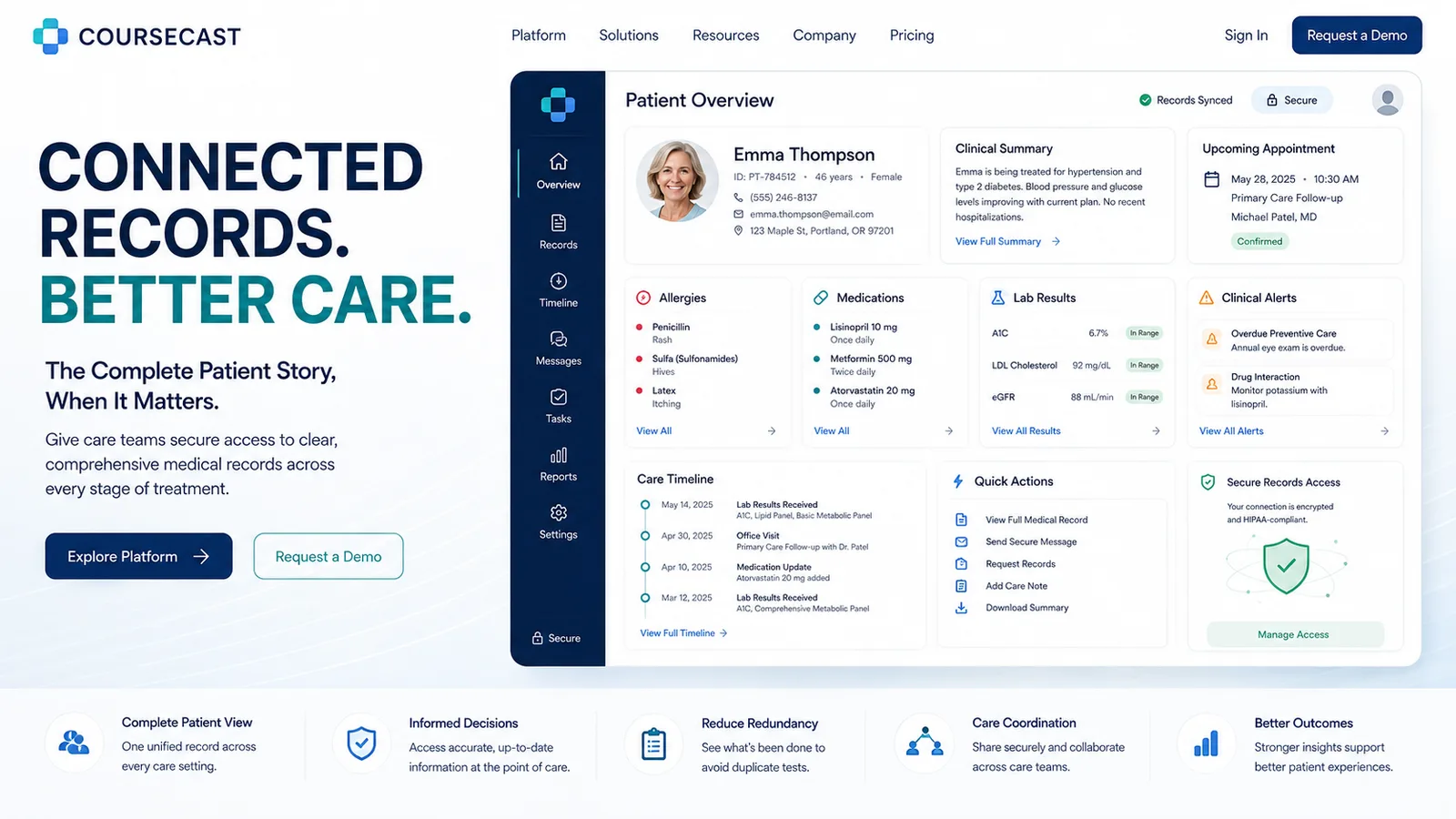
Coursecast: Web3 platform.
A web app for on-chain finance, built with React and Node.js. Wallet connection, contract calls and transaction state are wrapped in an interface that non-crypto users can operate with confidence.
React · Node.js
 Finance
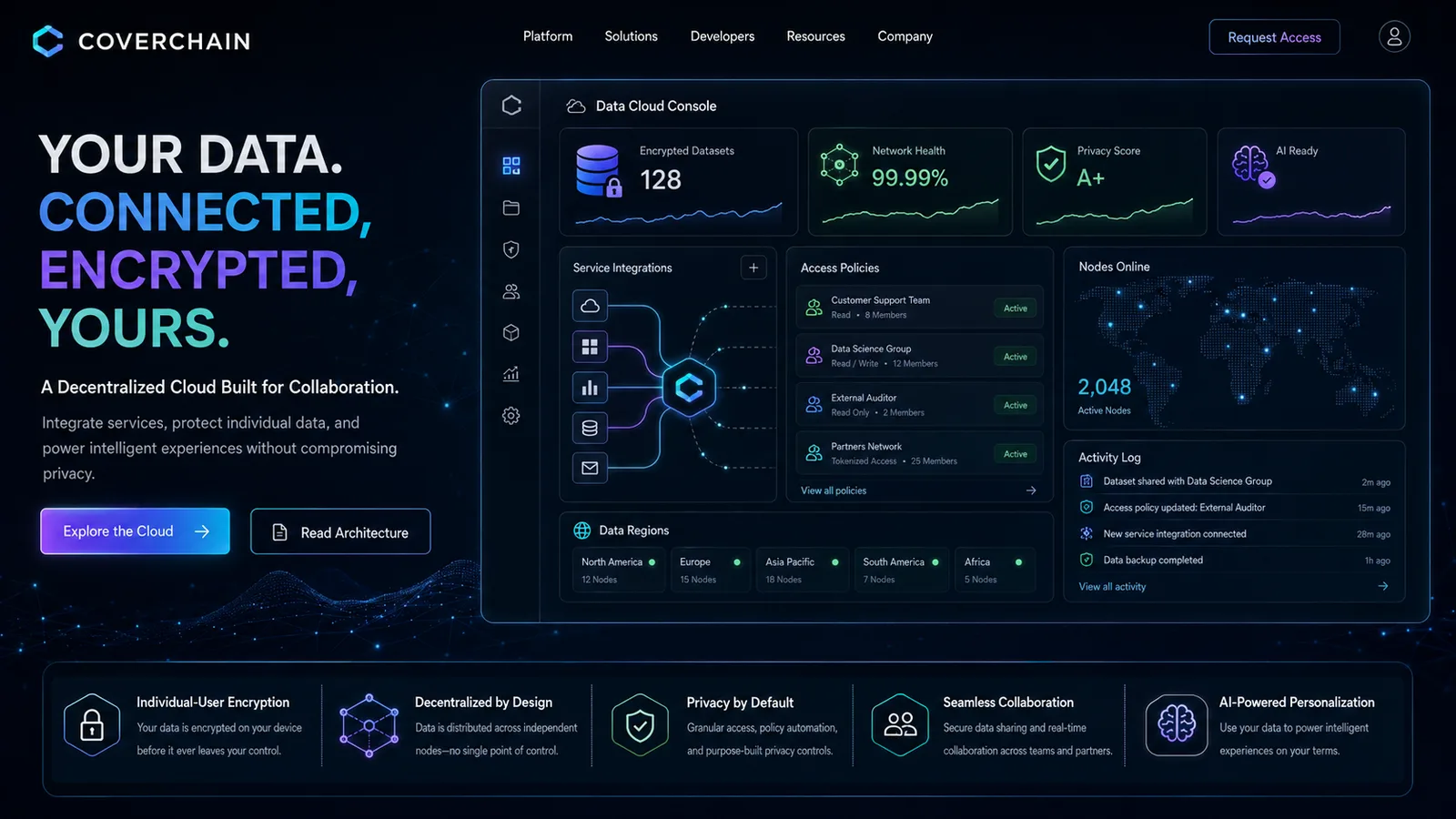
Coverchain: Web3 platform.
An Angular front end for on-chain finance, written for people who have never held a private key. Wallet connection, contract calls and transaction state are wrapped so the chain stays underneath the product rather than in front of it.
Angular
Contracts, custody, tokenisation and the chains underneath.
Most engagements mix two or three of these. We scope the exact cut during discovery. The audit plan goes into the SOW.
Smart contracts and protocols.
On-chain logic that can hold real value without holding real risk. Solidity or Vyper on EVM chains, Rust on Solana and Cosmos, designed from specification first, then unit and property-based testing, static analysis, and an external audit before mainnet deployment.
Wallet and custody integrations.
Let users connect any wallet without locking your product to one vendor. MetaMask, WalletConnect, Rainbow, Ledger, Fireblocks, and BitGo, with signer abstractions so the front-end never bakes in assumptions about a single wallet.
Tokenisation and RWA platforms.
Bring real-world assets on-chain with the compliance regulators demand. Security-token platforms, stablecoin rails, and tokenised-asset custodians, with KYC, sanctions screening, and jurisdictional allow-lists built in.
L2 and rollup infrastructure.
Reach product-grade cost and speed instead of L1 gas pain. Deployment on Arbitrum, Optimism, Base, zkSync, and Polygon zkEVM, plus the off-chain indexers and bridges that make L2 usable, with cost modelled across L1 and L2 paths.
Indexers, subgraphs, and APIs.
Chain data your app can actually query, at app speed. The Graph subgraphs, bespoke indexers, and event-driven pipelines into your analytics stack, delivering chain data at product-app latency.
Enterprise and permissioned chains.
Consortium and regulated deployments built to outlast the programme. Hyperledger Fabric, Quorum, and Besu, with identity, governance, and upgrade paths that survive the multi-year programmes they're built for.
Scoping blockchain & Web3 engineering? Get an engineer's read on your build in 30 minutes — no sales pitch, no decks.
Start a projectA pragmatic chain stack.
We pick the chain and tooling to fit the problem, the regulatory envelope, and the operating model, not the fashionable chain of the quarter.
Pick the engagement model
that fits the commitment.
The same blockchain & Web3 engineering work ships under any of these three commercial shapes. The difference is in how you hold us accountable and how you scale up or down.
AI alongside on-chain systems.
Assistants that explain transactions in plain language, anomaly checks on wallet activity, and agents that prepare transactions for a person to sign.
Explore AI developmentWhat teams ask before going on-chain.
Can't find what you're looking for? Email discovery@enigmatixglobal.com and we'll reply within one working day.
Nine times out of ten, a database is the right answer. We'll tell you so in discovery. Blockchain earns its complexity when you need trust-minimised settlement between parties who can't trust a central operator, permanent and auditable state for regulatory reasons, or programmable asset ownership. If none of those apply, we'll recommend the cheaper path.
Depends on the problem. Consumer-scale payments → an EVM L2 like Base or Arbitrum. High-throughput application → Solana. Regulated intra-consortium → Hyperledger or Besu. We benchmark the top candidates against your throughput, cost, and compliance requirements before locking in.
Specification-first design. Unit and property-based tests with Foundry or Hardhat. Static analysis with Slither and Mythril. Formal verification for high-value logic with Certora. A mandatory external audit before mainnet. Post-deployment we run continuous monitoring and keep a documented incident-response playbook with a named contact at the audit firm.
We design for upgradeability when the governance model allows it. Proxy patterns, timelocks, multisig owners, and a clear upgrade process your legal and ops teams have signed off on. Where contracts must be immutable by design, we optimise for correctness over flexibility and invest heavier in audit and formal verification before deployment.
Yes. Most enterprise-grade tokenisation and custody work requires it. We integrate with Sumsub, Onfido, Chainalysis, and TRM Labs for KYC and transaction monitoring. We design permission layers around regulated flows (accredited-investor gates, jurisdiction allow-lists, transfer restrictions) that legal and compliance teams can evidence during an audit.
Bad UX is the single biggest reason well-designed blockchain products fail. We use L2s, meta-transactions, account abstraction (ERC-4337), and session keys to get gas out of the user's face. For enterprise deployments we subsidise gas through paymasters and hide chain-selection complexity behind a single 'Submit' button where the product warrants it.
Yes. Most of our engagements sit alongside a larger product org. Smart contracts are one surface area. The product, analytics, mobile apps, and ops dashboards are the rest. We embed with your team, adopt your conventions, and slot the blockchain work into your release cadence rather than running a parallel universe.
“I am writing to wholeheartedly recommend Enigmatix Global as a premier bespoke software development agency. Our journey with them has been nothing short of exemplary, far exceeding our initial expectations. While many agencies can develop based on strict specifications, Enigmatix Global demonstrated an incredible commitment to our project that was truly unparalleled.”
Let's build from here.
Thirty minutes with an engineer who builds. No sales, no drip campaign. If we're the wrong fit we'll tell you and point you somewhere better.