
Healthcare software development
clinicians actually use.
EHR integrations, patient portals, clinical decision support, and life-sciences data platforms. Built with the rigor of HIPAA/HL7 and the usability nurses and trialists actually demand.
Safety and usability are one problem.
Healthcare software fails in quiet, deadly ways. A dropdown in the wrong order. A default dose in the wrong field. The difference between a safe clinical system and a dangerous one isn't the features. It's the discipline of how you design and how you test.
We ship EHR integrations, clinical portals, trials platforms, and payor-side adjudication systems. Every build goes through a dedicated safety and compliance review before release. That's the discipline the sector demands.
Things we've shipped
in healthcare.
A sample of what we've built in this sector. We omit client names by default and share them under NDA when you want to dig into a specific engagement.
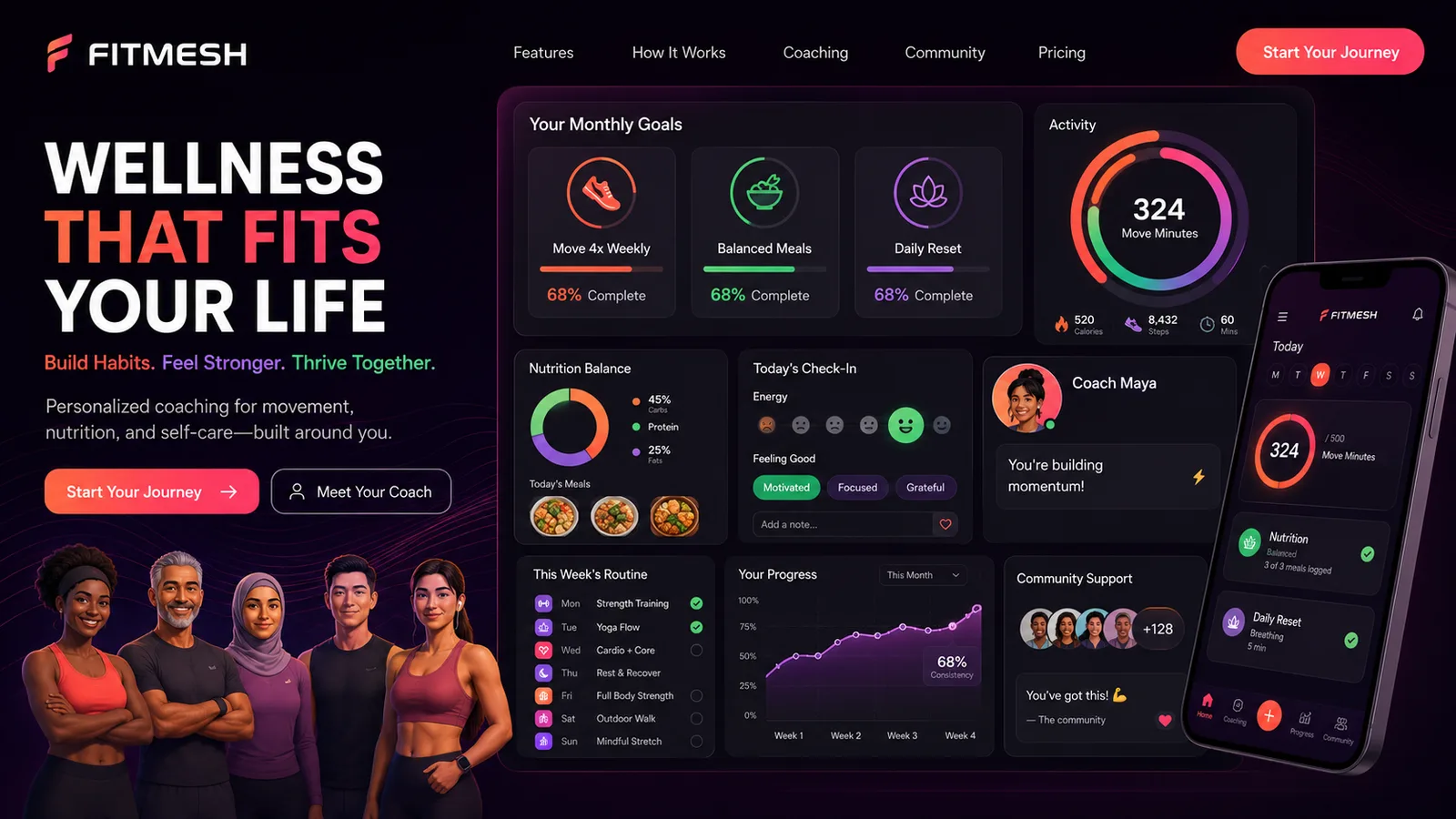 Healthcare
Fitmesh: workout, diet & social fitness.
One app replaces three for serious users.
React Native · Django · Django REST Framework · PostgreSQL
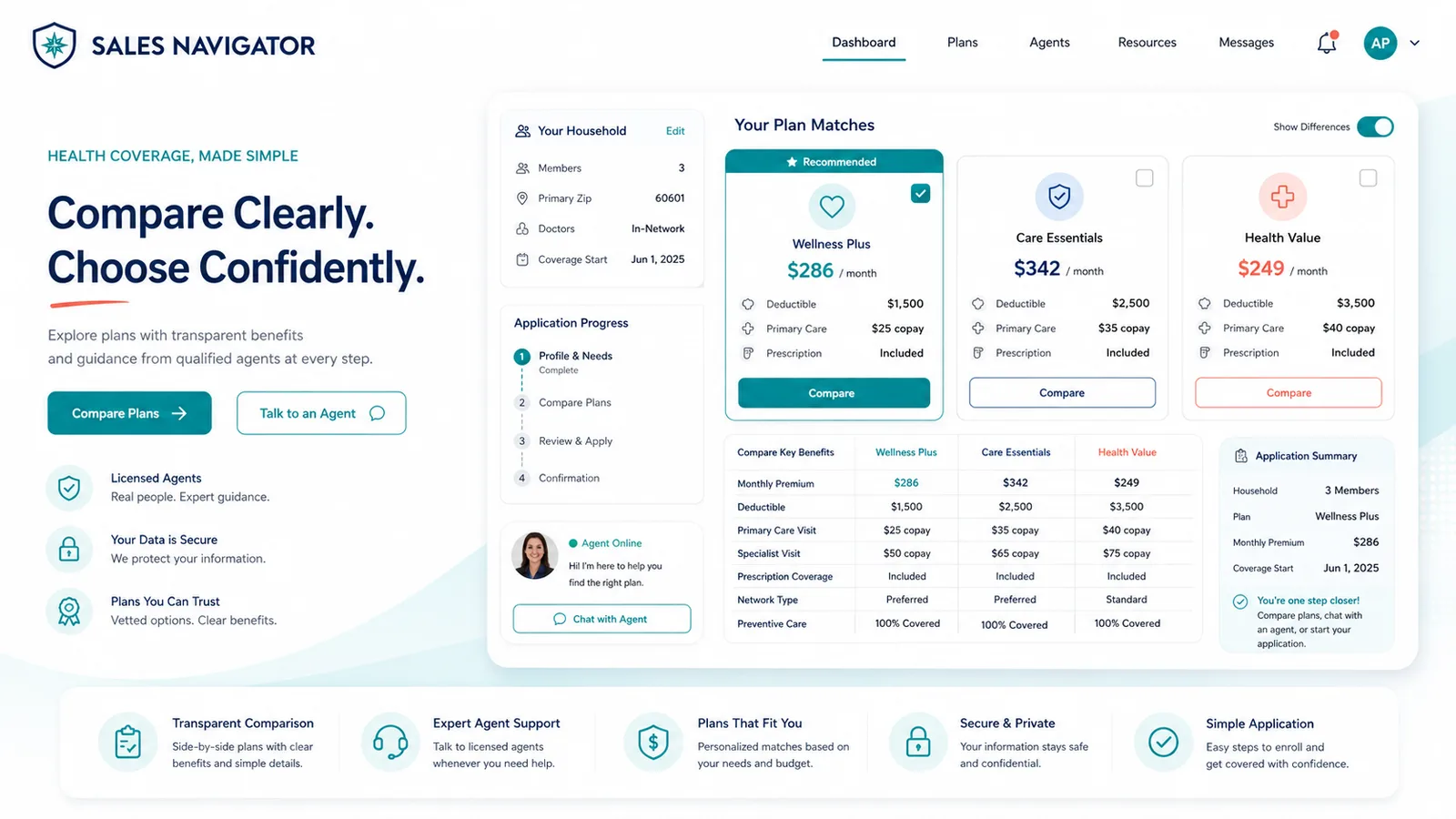 Healthcare
Wellthread: shared health records, plans and progress.
A web app for health & wellness, built with Google Cloud Functions. Records, plans and progress stay consistent between the user and whoever supports their care, in a product simple enough for daily use.
Google Cloud Functions
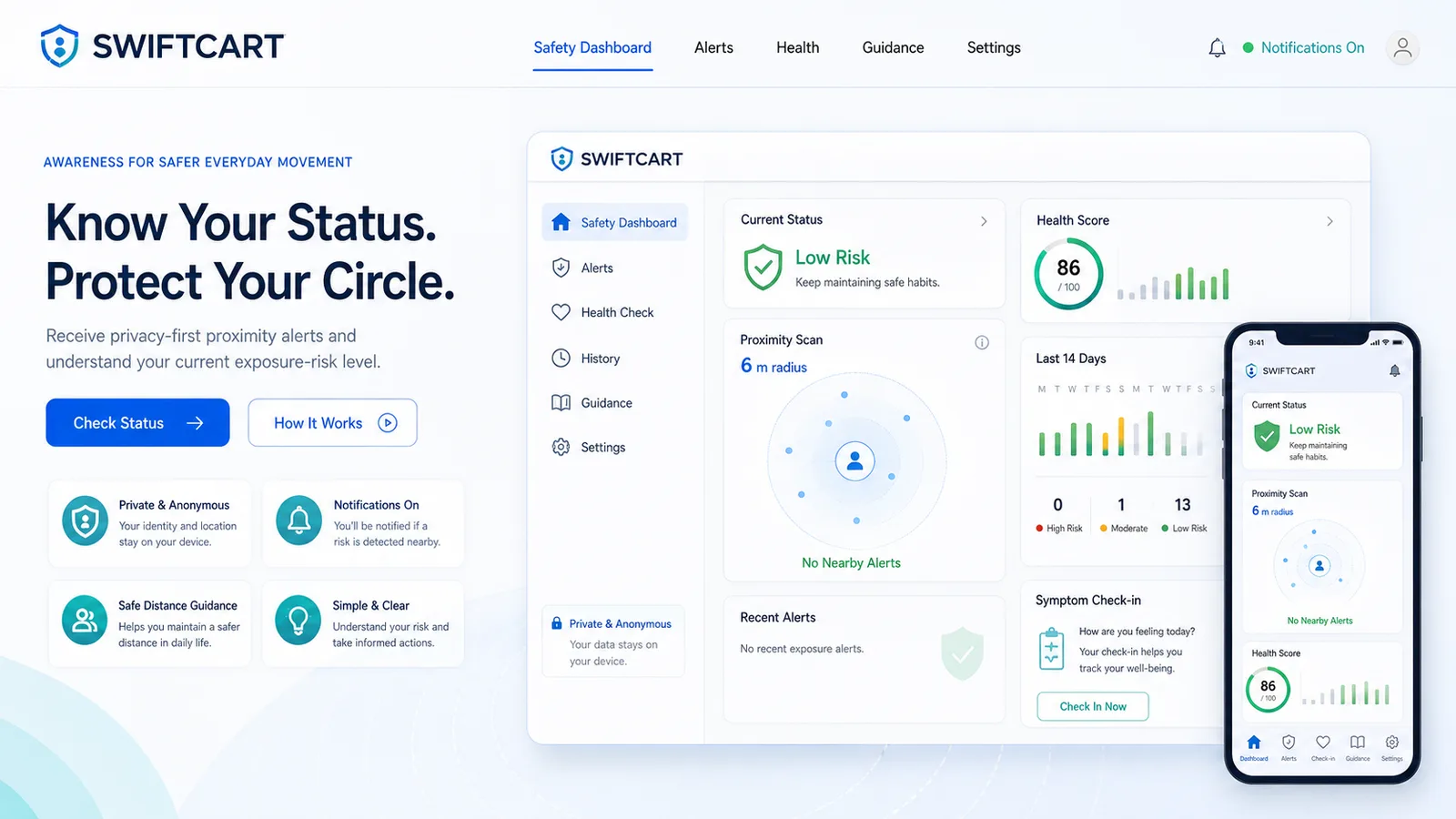 Healthcare
Swiftcart: Health platform.
A web app for health & wellness, built with Flask and Python. Records, plans and progress stay consistent between the user and whoever supports their care, in a product simple enough for daily use.
Flask · Python
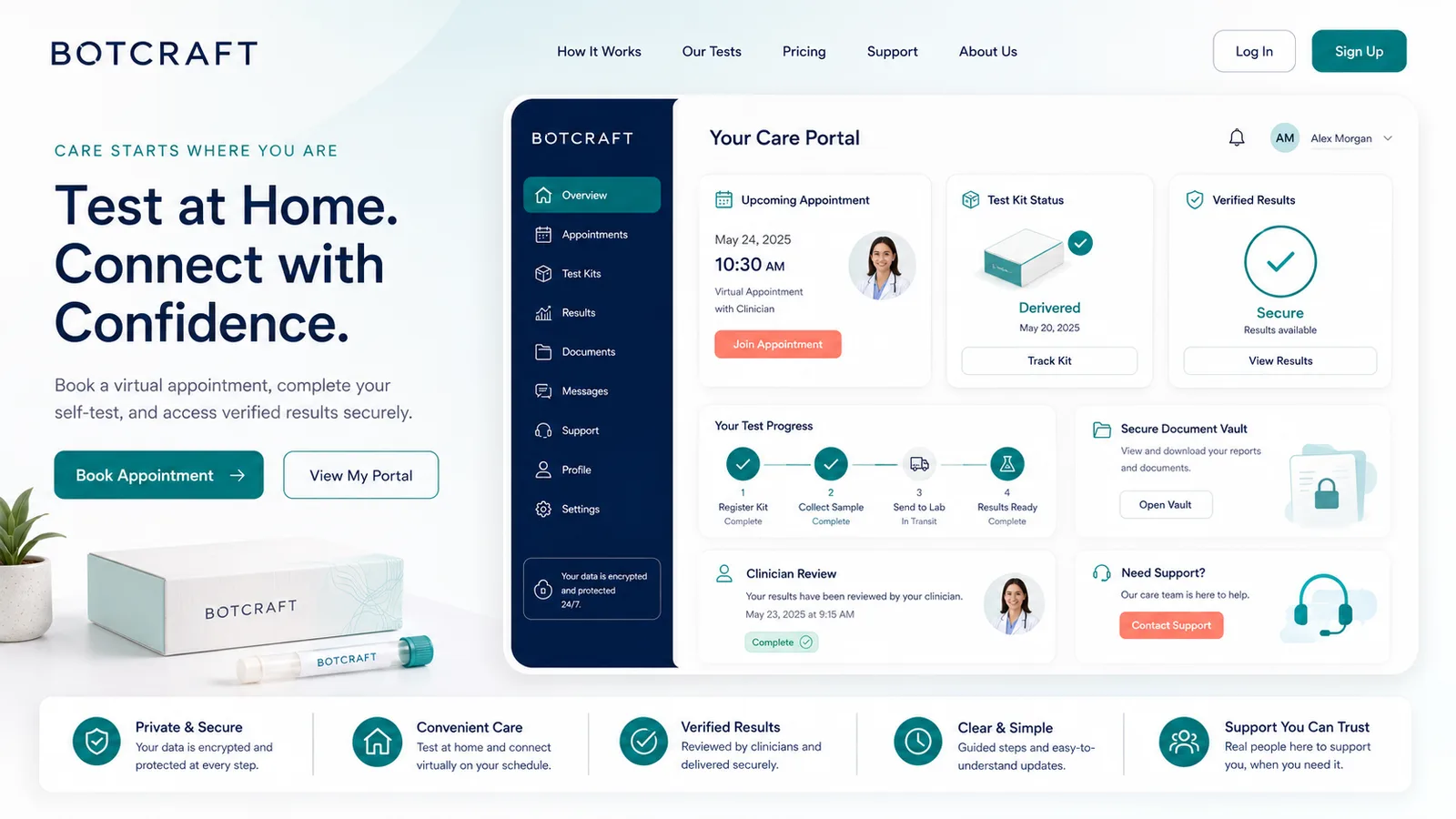 Healthcare
Botcraft: at-home diagnostic testing with verified results.
The full pathway from booking to verified result runs as one recorded episode.
React · Django REST Framework · Python
 Healthcare
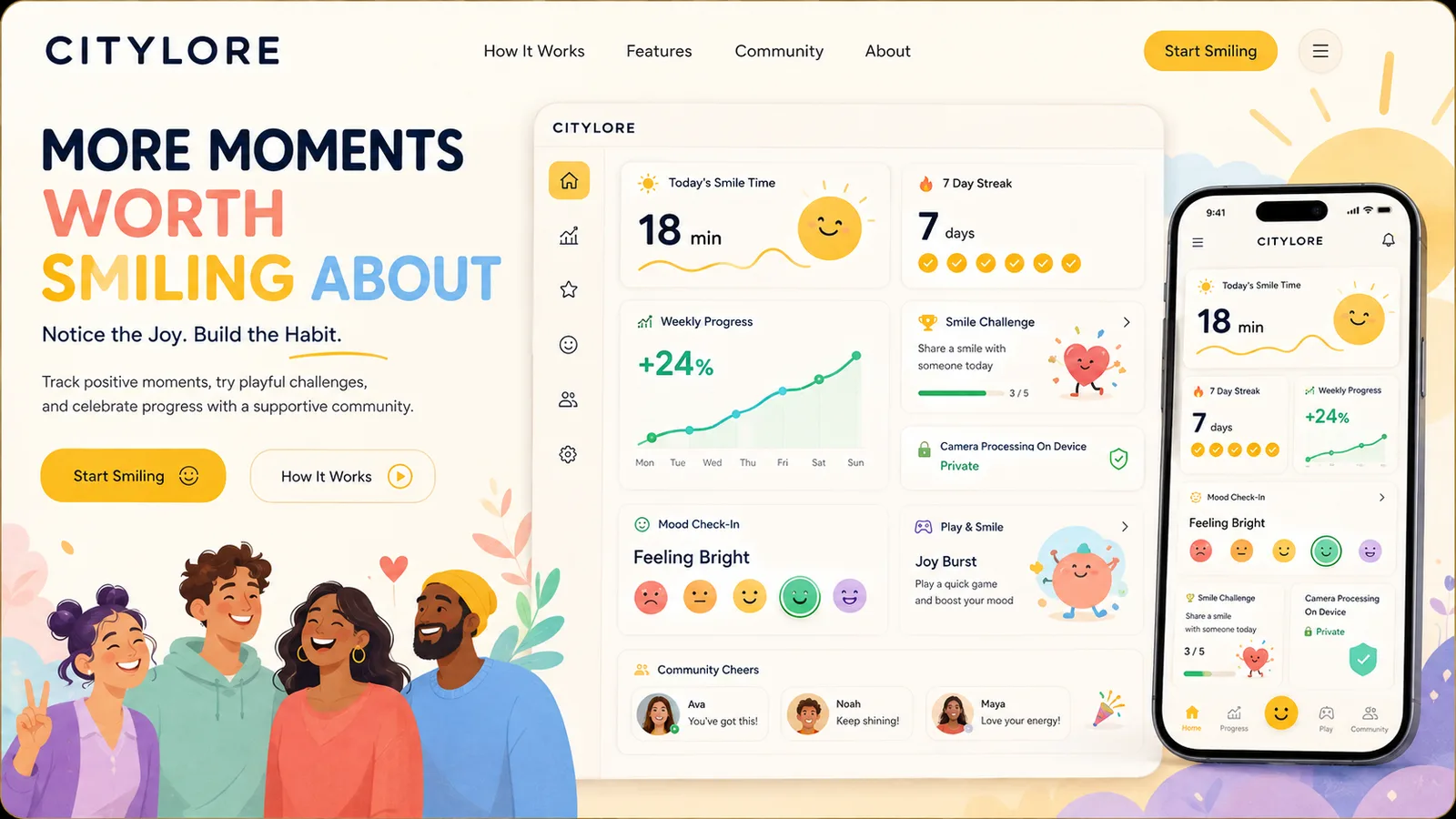
Citylore: on-device facial recognition for a wellbeing habit.
The biometric interaction never leaves the device, so no facial imagery is stored server-side.
React · React Native · Django · Django REST Framework
 Healthcare
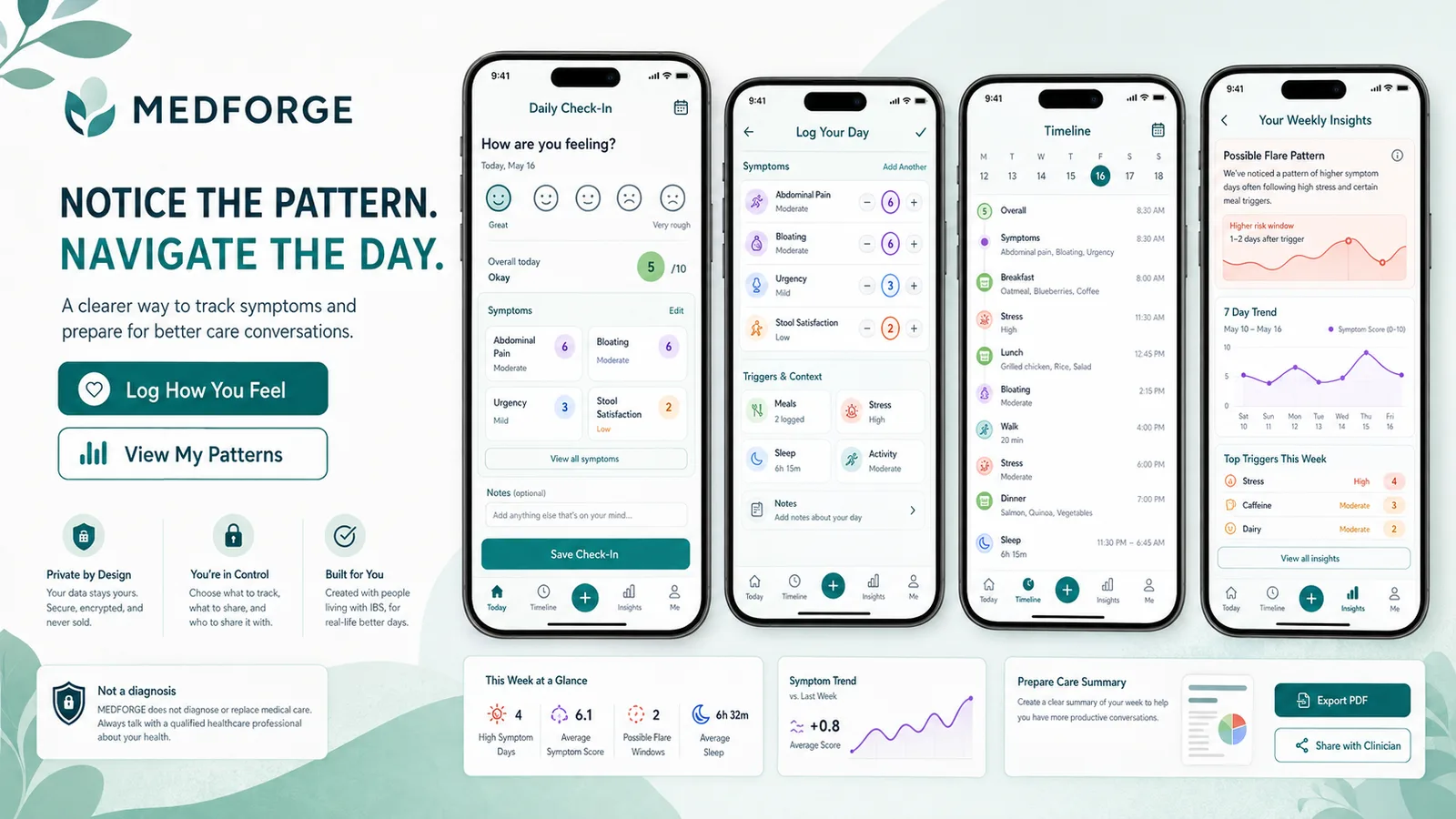
Medforge: Health platform.
A mobile app for health & wellness, built with React Native and Django REST Framework. Records, plans and progress stay consistent between the user and whoever supports their care, in a product simple enough for daily use.
React Native · Django REST Framework
The problems healthcare teams bring to us.
EHR integration that actually works.
Epic, Cerner, Meditech, and a long tail of regional systems. FHIR bridges, HL7v2 gateways, and the operational glue to keep the flow alive.
Patient-facing portals at scale.
Booking, triage, records, messaging. Designed for accessibility-first, multi-language, and the 2am-anxious-parent use case.
Clinical decision support.
Evidence-based pathways, alerting, triage automation. With the audit trail and model explainability clinicians need to trust the system.
Trials and research platforms.
eConsent, randomisation, ePRO, trial master files. GCP-compliant and built for the rhythm of a sponsor running 40 trials at once.
What we've built for healthcare, more than once.
Integration middleware.
FHIR/HL7 gateways, SNOMED/ICD mapping, event-driven adapters. Replaces years of point-to-point plumbing with a real platform.
Patient and clinician portals.
Web and mobile, multi-role, accessibility-certified. Shipped to hospital trusts, private clinics, and payor populations.
Research data platforms.
De-identified data lakes, cohort builders, consent management. Built to power both operational reporting and R&D.
Adjudication and payor systems.
Claims intake, rules engines, fraud detection. Fast path for routine claims, human review for exceptions. Measured, auditable.
Three ways to work with us
in healthcare.
Pick the shape that matches the commitment. Each model ships the same engineering standard. The difference is commercial and operating fit.
Dedicated teams
A cross-functional pod owning a workstream end-to-end.
Offshore development centre
A fully-managed engineering arm built in-region.
Staff augmentation
Senior engineers plugged straight into your team.
AI in healthcare & life sciences.
Drafting letters and summaries for clinicians to approve, patient assistants that know when to hand over, and retrieval over guidance documents, built with UK GDPR and clinical safety in mind.
Explore AI development“I am writing to wholeheartedly recommend Enigmatix Global as a premier bespoke software development agency. Our journey with them has been nothing short of exemplary, far exceeding our initial expectations. While many agencies can develop based on strict specifications, Enigmatix Global demonstrated an incredible commitment to our project that was truly unparalleled.”
Answers for healthcare & life sciences buyers.
Still wondering something? Ask an engineer
Compliance is a property of the whole system, not a feature we bolt on, so we design for it from the first architecture session. Encryption in transit and at rest, least-privilege access, full audit trails, data-residency controls, and signed BAAs or DPAs as the jurisdiction requires. We document the control mapping so your compliance team can review it rather than take our word for it.
Yes. HL7 v2, FHIR, and the vendor-specific interfaces where a standard does not cover the case. Integration is usually the hardest part of a health build, so we write the data contracts and the failure behaviour before we write the integration code, and we test against realistic message volumes rather than a handful of happy-path samples.
Both. Patient portals, appointment and registration flows, remote-monitoring apps, and clinician-facing tooling including decision support. Clinical software gets a safety review cycle in addition to the normal QA pass, and accessibility is treated as a requirement rather than a late-stage audit.
7 published case studies in this sector, with more work we can only discuss under NDA. We staff engagements with engineers and delivery leads who've shipped in Healthcare & life sciences before. The domain literacy is learned, not looked up.
We work to HIPAA, HL7/FHIR, SNOMED, ICD, GxP, and local health-authority requirements. Every engagement starts with a compliance review so there's no ambiguity about which regimes apply. Every release ships with the audit trail your compliance team needs.
Yes. Most of our engagements connect to EHRs (Epic, Cerner, Meditech), PACS, labs systems, and payor platforms. We adopt your existing integration patterns rather than imposing a new one, and we write data contracts before we write integration code.
We design for clinical-grade reliability, safety review cycles, and accessibility-first design from day one, not as a post-launch afterthought. Performance budgets, SLO commitments, and ops runbooks are written into the statement of work.
Either. Healthcare & life sciences engagements run under all three of our engagement models. Dedicated teams, offshore development centres, or embedded staff augmentation. We pick the shape that matches your operating model, not our preferred one.
Discovery typically runs two to four weeks from first call to signed statement of work. First-engineer start dates follow within another week or two. The exact timeline depends on the shape and on the clearance or onboarding your environment requires.
Let's build from here.
Thirty minutes with an engineer who builds. No sales, no drip campaign. If we're the wrong fit we'll tell you and point you somewhere better.