
Fintech software development
that survives the audit.
Core banking, payments, wealth, insurance. We engineer for the audit trail, the SLA, and the uptime number, because in financial services those are the same conversation.
Velocity and audit are not trade-offs.
Financial services is the sector that punishes sloppy engineering most. Regulators want written architecture decisions. Auditors want reproducible deploys. Customers want zero downtime during a live migration. The teams that win here design for all three from day one.
We've built core payment rails, open-banking surfaces, credit-decisioning models, and KYC platforms. The pattern repeats. Measure first. Document more than feels comfortable. Automate the evidence. Leave the system more maintainable than you found it.
Things we've shipped
in finance.
A sample of what we've built in this sector. We omit client names by default and share them under NDA when you want to dig into a specific engagement.
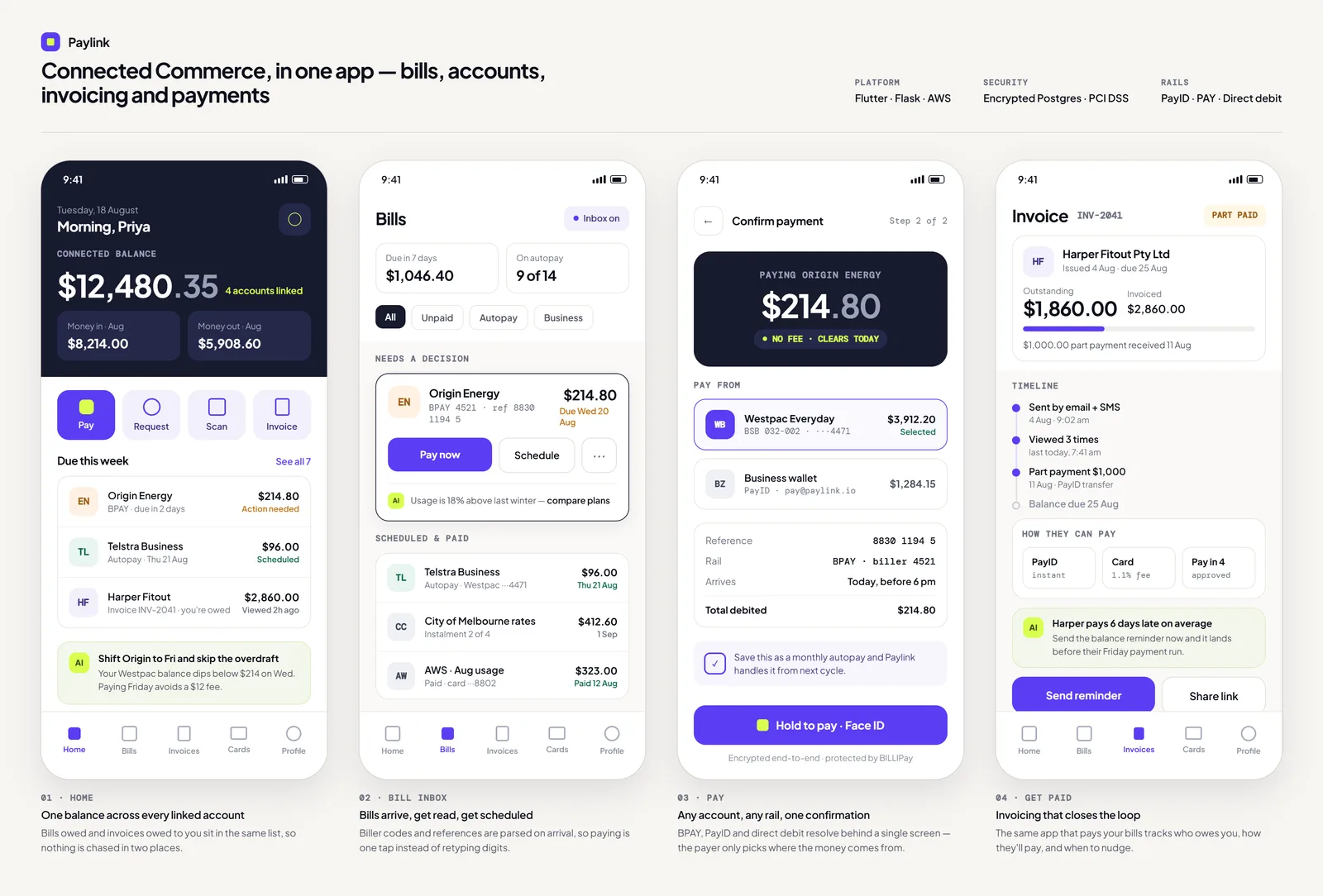 Finance · Australia
Paylink: connected commerce for Australian SMBs.
SMBs get paid, pay bills and reconcile from one app instead of four tools.
Flutter · Flask · PostgreSQL · AWS
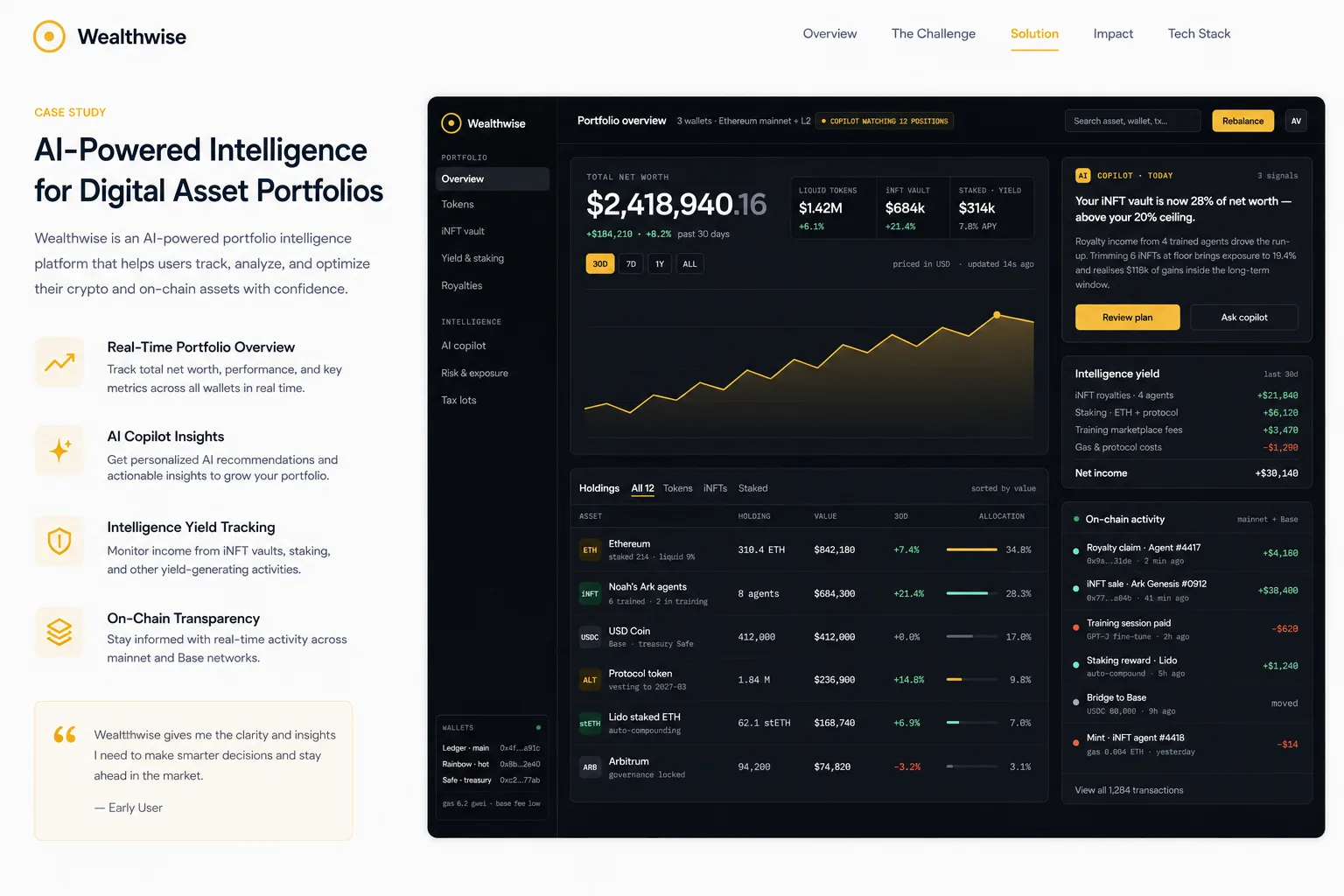 Finance
Wealthwise: Web3 platform.
A web app for on-chain finance, built with React, Django, Node.js, Express, PostgreSQL and Web3. Wallet connection, contract calls and transaction state are wrapped in an interface that non-crypto users can operate with confidence.
React · Django · Node.js · Express
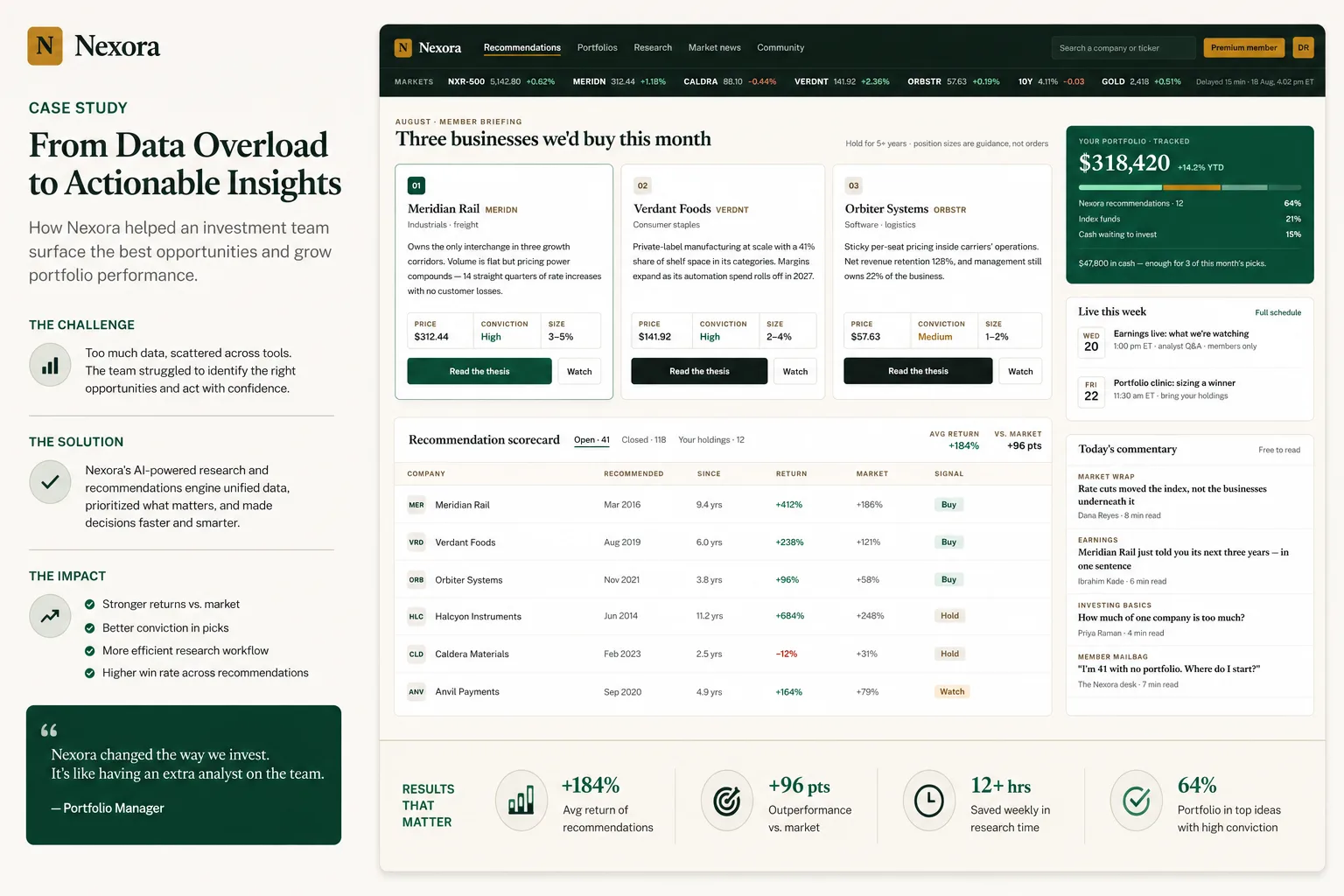 Finance
Nexora: Investment platform.
A web app for investing & markets, built with React, Django, Django REST Framework and PostgreSQL. Watchlists, holdings and research sit behind one login, tuned to stay responsive when the market is open and traffic peaks.
React · Django · Django REST Framework · PostgreSQL
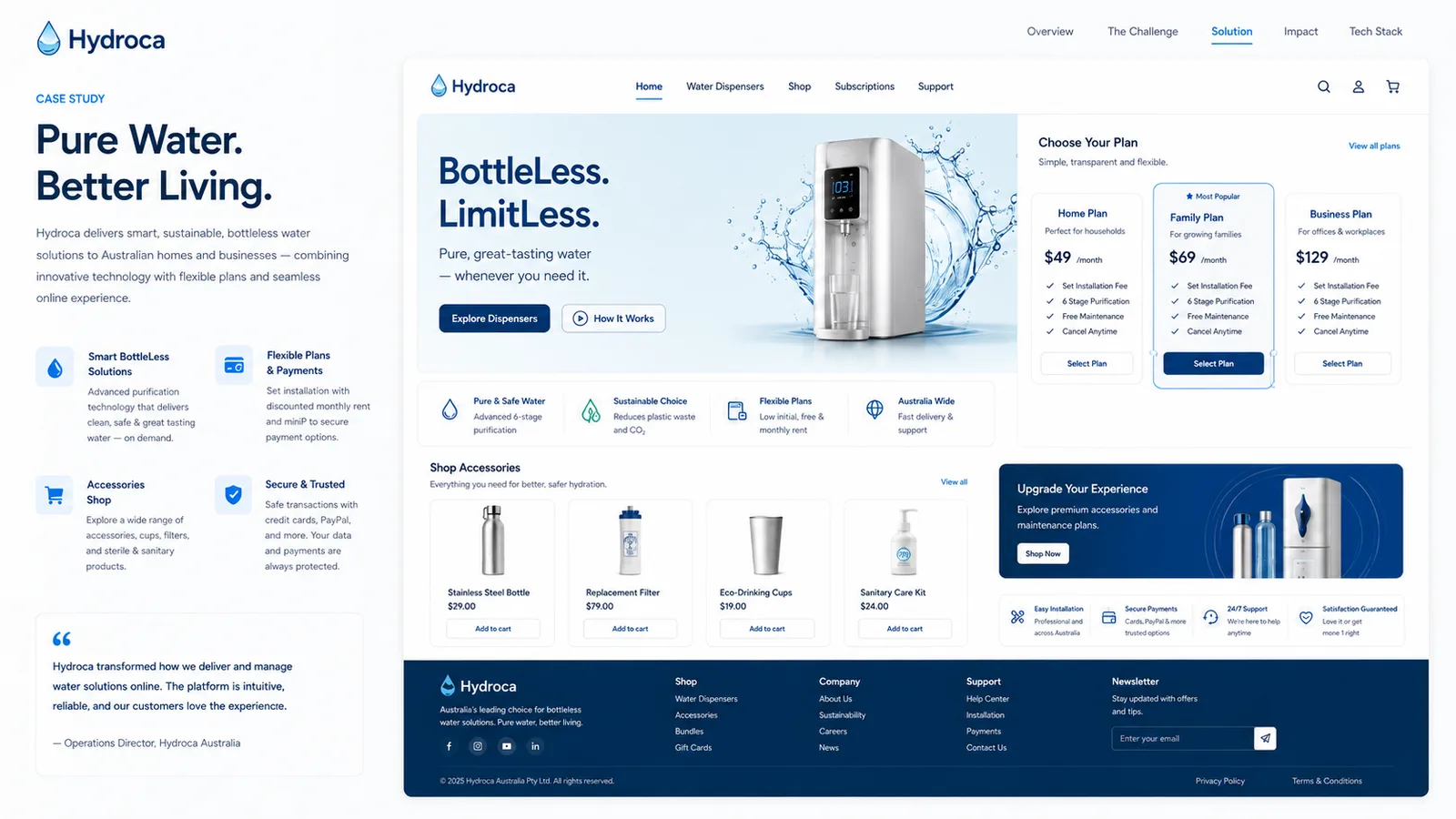 Finance
Hydroca: Fintech platform.
A web app for payments & finance, built with React. Accounts, invoices and settlements reconcile against one ledger, so every balance can be explained and audited.
React
 Finance
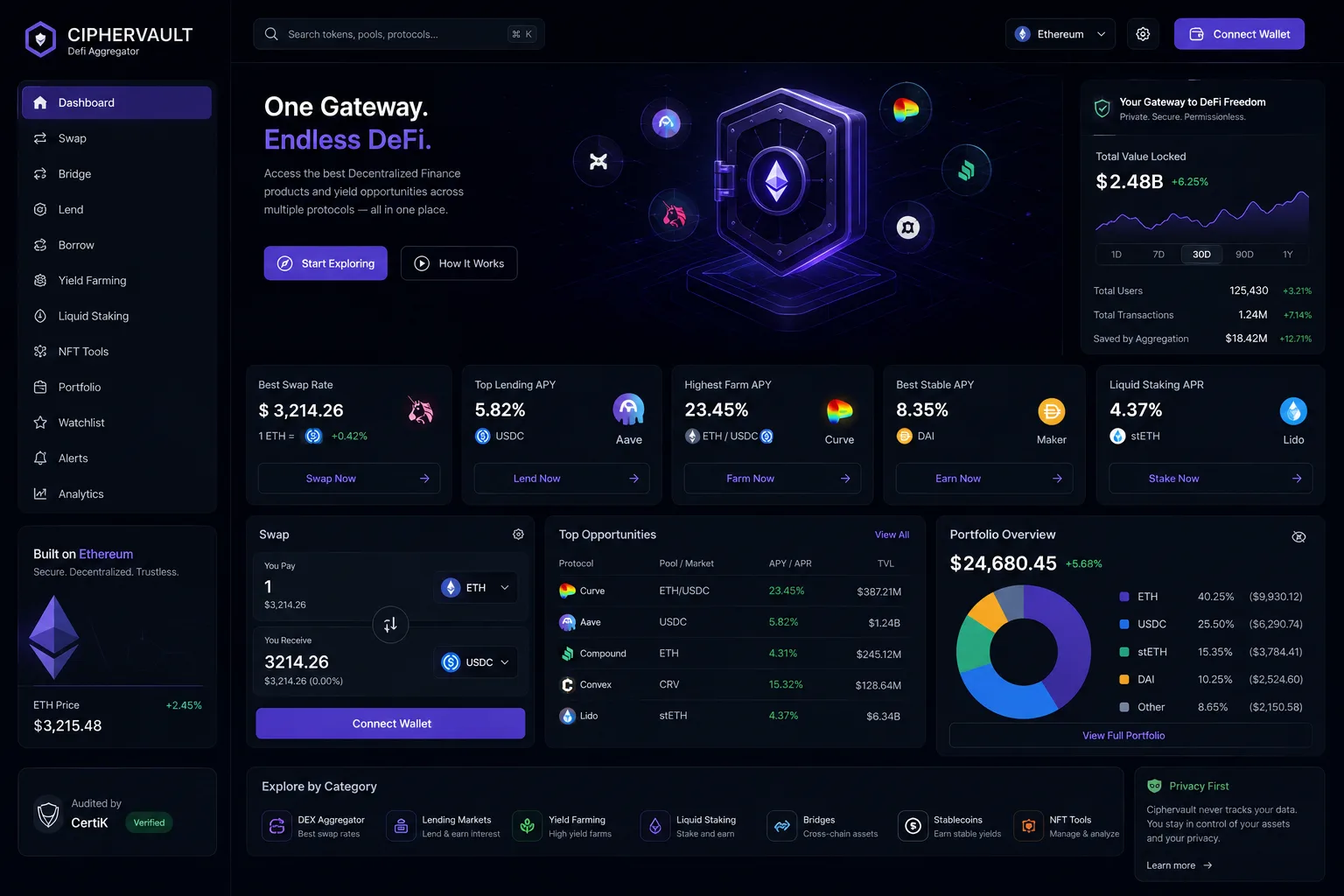
Ciphervault: Web3 platform.
An on-chain finance product built with React, Redux, Node.js, GraphQL, Web3 and EVM. Wallet connection, contract calls and transaction state sit behind an interface a non-crypto user can actually operate.
React · Redux · Node.js · GraphQL
 Finance
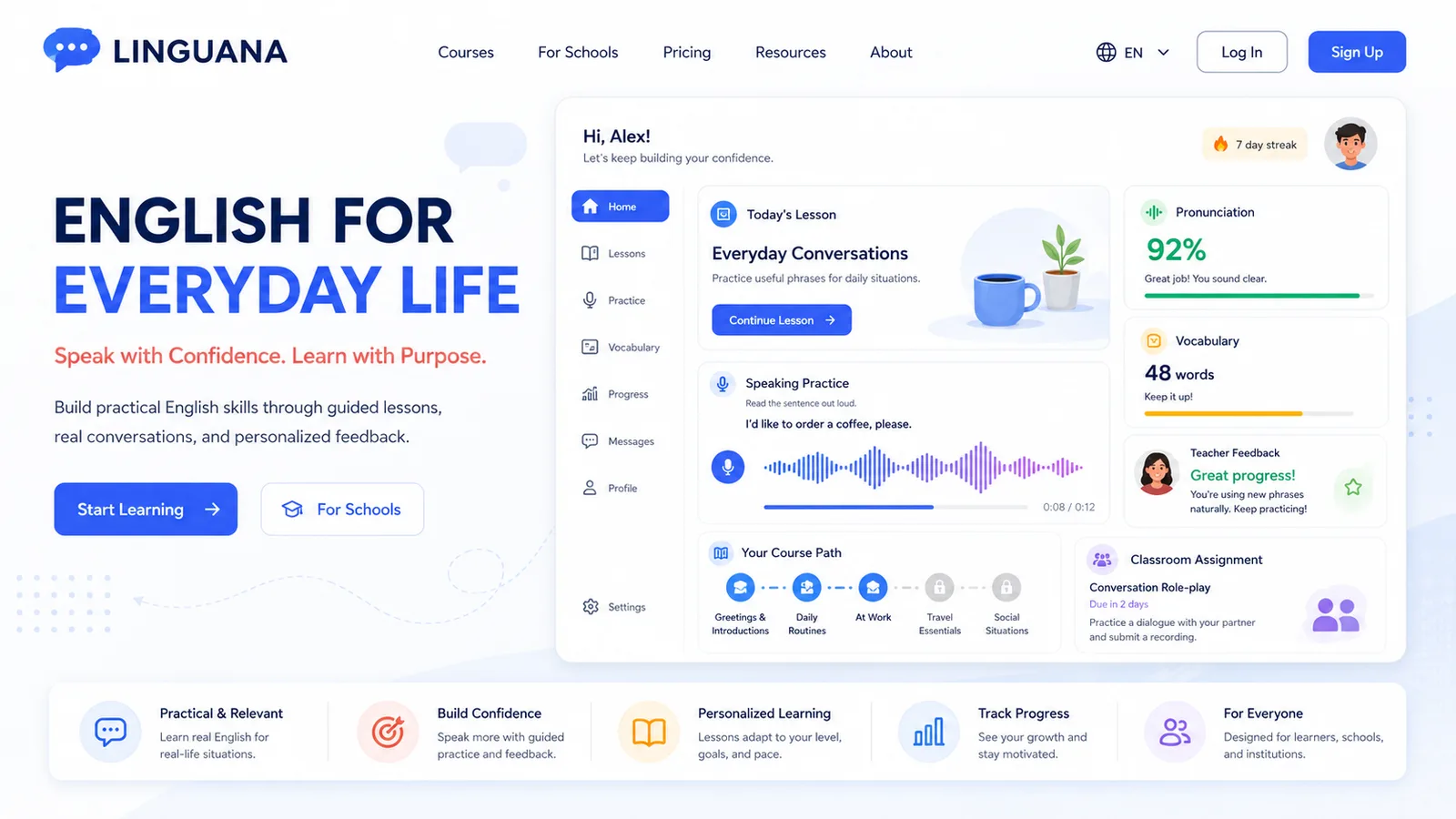
Linguana: Risk platform.
A web app for risk & compliance, built with Django, Django REST Framework, Celery, Python, CircleCI and coveralls. Signals are scored against configurable rules and land in a reviewable queue, so decisions are consistent and recorded.
Django · Django REST Framework · Celery · Python
The problems finance teams bring to us.
Core modernisation without a big-bang cutover.
Strangler patterns, event bridges, dual-write reconciliation. We move you off the mainframe in 18 months without a single migration weekend.
Regulatory platform build-outs.
PSD2, DORA, MiFID II, FAPI 2.0. We've implemented the spec on both sides, consumer and provider, and we know where vendors cut corners.
Real-time risk and fraud.
Streaming pipelines that score every transaction under 120ms. Kafka, Flink, Redis, plus the ML models and the feedback loop. End-to-end, in production, at scale.
High-throughput customer surfaces.
Mobile apps, open-banking portals, broker consoles. Designed to survive a market-open spike without the CTO paging engineering at 7am.
What we've built for finance, more than once.
Payments platforms.
ISO 20022 rails, card-acquiring, open-banking payment initiation, stablecoin back-ends. From edge integration to settlement reconciliation.
Credit and risk decisioning.
Real-time scoring services with model governance, challenger frameworks, and explainability surfaces regulators actually accept.
KYC / AML platforms.
Onboarding flows, transaction monitoring, case management. Pluggable vendor integrations so you don't repeat the procurement cycle.
Broker / wealth portals.
High-density data surfaces, live order books, portfolio analytics. Built for the advisor who doesn't tolerate UI lag.
Three ways to work with us
in finance.
Pick the shape that matches the commitment. Each model ships the same engineering standard. The difference is commercial and operating fit.
Dedicated teams
A cross-functional pod owning a workstream end-to-end.
Offshore development centre
A fully-managed engineering arm built in-region.
Staff augmentation
Senior engineers plugged straight into your team.
AI in financial services.
Retrieval over policies, filings and statements, assistants for analysts and operations teams, and document checks that leave an audit trail a regulator can follow.
Explore AI development“Dragonfly has been working with the team at Enigmatix Global for several years now on building out our web-based platform and APIs. One of their strengths is quickly building out a multi-disciplinary team to work on the development and delivery of features with different technical requirements. Their support has allowed us to accelerate our development work without building an internal team. They have also worked seamlessly with other third parties both during the acquisition of Dragonfly and development of our mobile app. Enigmatix Global has been instrumental in bringing our ideas to life and providing guidance to help us make the best technical decisions. I would recommend getting in touch with them if you're looking for support.”
Answers for financial services buyers.
Still wondering something? Ask an engineer
Yes. Payment initiation and orchestration, ledger and reconciliation services, card and account management, and the integration work into ISO 20022 and SWIFT rails. We treat the ledger as the system of record and design every surface around it, because a payments platform that disagrees with itself is worse than one that is merely slow.
As a data problem with a regulatory deadline attached. Rules engines for the deterministic cases, models for the patterns rules miss, and a case-management surface analysts can actually work in. Every decision is explainable and logged, because an alert your compliance team cannot justify to a regulator is a liability rather than a control.
Yes. We contract through Enigmatix Global Ltd, our UK-registered entity, so the commercial relationship sits under English law. On delivery we work to the control expectations regulated firms carry: change management with evidence, segregation of duties, audit-grade logging, and a documented path from requirement to released code.
23 published case studies in this sector, with more work we can only discuss under NDA. We staff engagements with engineers and delivery leads who've shipped in Financial services before. The domain literacy is learned, not looked up.
We work to PSD2, DORA, MiFID II, FAPI 2.0, PCI DSS, and the relevant local regulators. Every engagement starts with a compliance review so there's no ambiguity about which regimes apply. Every release ships with the audit trail your compliance team needs.
Yes. Most of our engagements connect to core banking, payment rails (ISO 20022, SWIFT), KYC/AML vendors, and trading venues. We adopt your existing integration patterns rather than imposing a new one, and we write data contracts before we write integration code.
We design for high-availability (three-nines-plus), audit-grade logging, and zero-downtime migrations from day one, not as a post-launch afterthought. Performance budgets, SLO commitments, and ops runbooks are written into the statement of work.
Either. Financial services engagements run under all three of our engagement models. Dedicated teams, offshore development centres, or embedded staff augmentation. We pick the shape that matches your operating model, not our preferred one.
Discovery typically runs two to four weeks from first call to signed statement of work. First-engineer start dates follow within another week or two. The exact timeline depends on the shape and on the clearance or onboarding your environment requires.
Let's build from here.
Thirty minutes with an engineer who builds. No sales, no drip campaign. If we're the wrong fit we'll tell you and point you somewhere better.